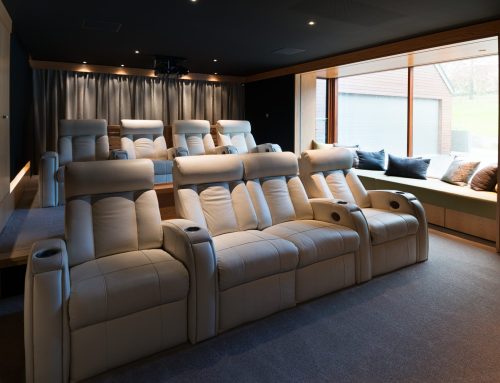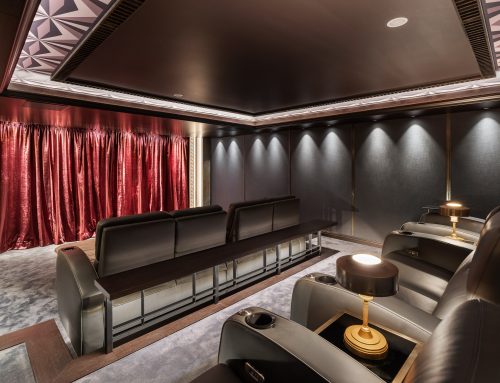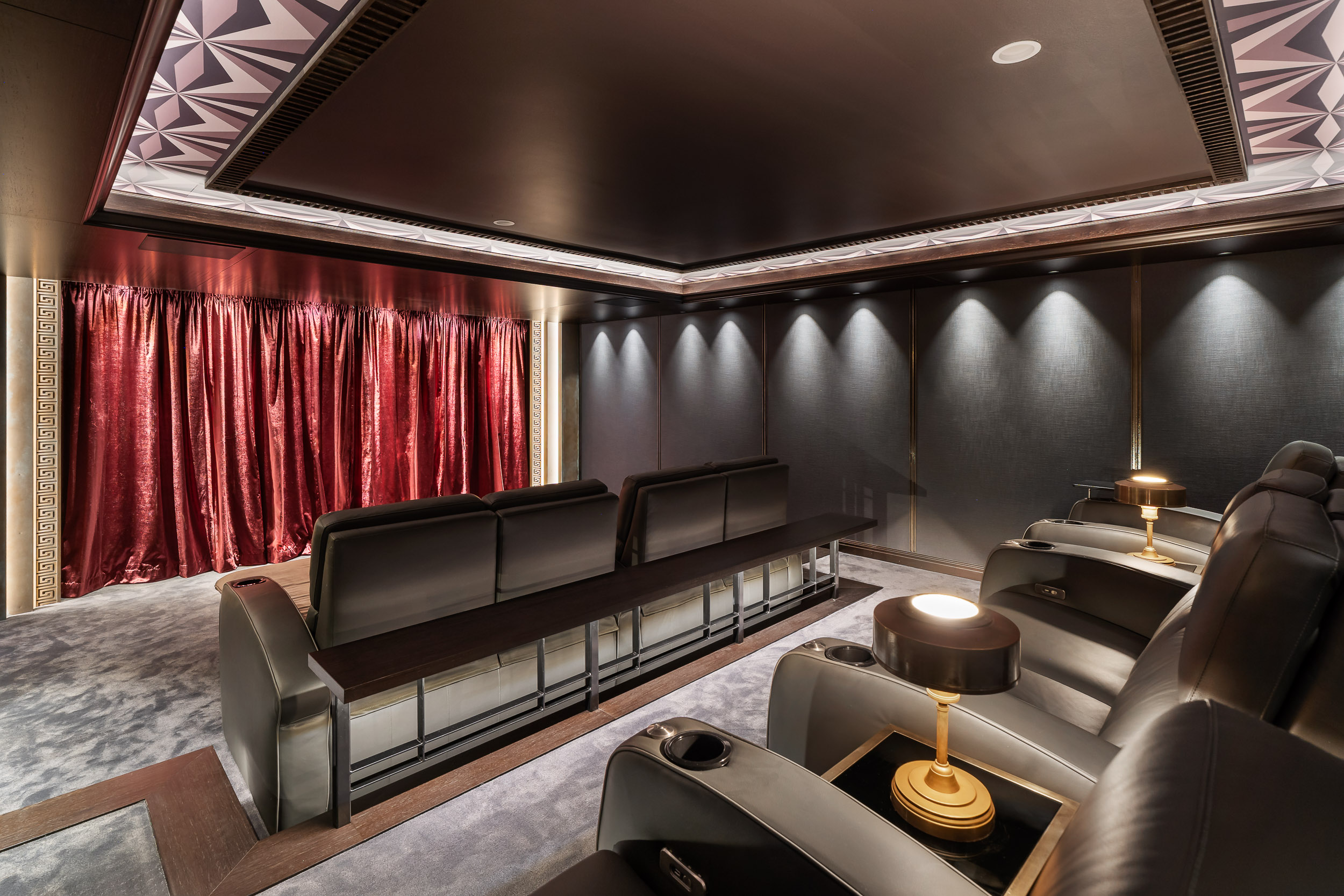
How to choose the right luxury home theatre seating for comfort and performance in your cinema
Luxury home cinema seating shapes the experience of your home theatre, whether you’re building a dedicated theatre room or a flexible media room. The right seat supports your posture, keeps sightlines clear, and helps your premium home cinema feel luxurious. At Wavetrain Cinemas, we design bespoke home cinema and media rooms across Australia and New Zealand, and we personalise cinema seating to suit your space. If you’re planning new home theatre seating, use this guide to decide with confidence, then book a consultation or visit our showroom.
In this guide, “luxury home cinema seating” means seating designed for long, focused viewing with the right ergonomics, recline support, and layout fit for your room.

Why your home cinema seating is part of the performance
Home cinema seating affects performance because it fixes your eye height, ear position, and viewing angle—three factors that shape sightlines and how surround sound reaches each listener. A cinema recliner that is too tall, too deep, or poorly placed can block views and pull you out of immersive viewing.
In a quality home theatre setup, seating is not just comfort and style. Seat height, back profile, and recline angle influence sightlines to the screen and how evenly sound reaches each listener. That is why many best home theatre rooms treat home cinema seating as a performance decision, not a final furniture choice.
We were recognised at the CEDIA 2025 Awards as Best Global Home Cinema and are the only company to have won this prestigious award twice. That context matters because high-quality cinema outcomes come from making layout and configuration decisions early, then matching finishes and features to the room.
Step by step how to choose cinema seating for your space
Luxury home cinema seating works best when you choose it in a clear order. Start with room type, then confirm seating layout, then select comfort features, and finish with materials and customisation.
- Define the room use. Decide if this is a theatre room for focused viewing or a media room for mixed use like movie nights, sport, and casual lounge time.
- Lock in sightlines. Confirm screen location and viewing direction, then plan rows, walkways, and whether you need a riser for a second row.
- Choose the seat style. Pick between theatre recliners, a home theatre lounge, or modular sofas based on posture and how often you recline.
- Select comfort and ergonomics. Prioritise headrest support, adjustable headrests, lumbar, wide seat options, and a low-back profile if you’re protecting views behind. For more on this, see our home cinema seating tips.
- Confirm mechanisms and power. Decide if motorised recliners are a must for you, then check access to power for motorised headrests and motorised lumbar support.
- Choose finishes for the room. Consider standard or top grain leather, suede, or fabric based on durability, ambient light reflections, and how the room is styled. Our guide on choosing the right fabric offers more detail.
Dedicated home theatre vs media room seating strategy
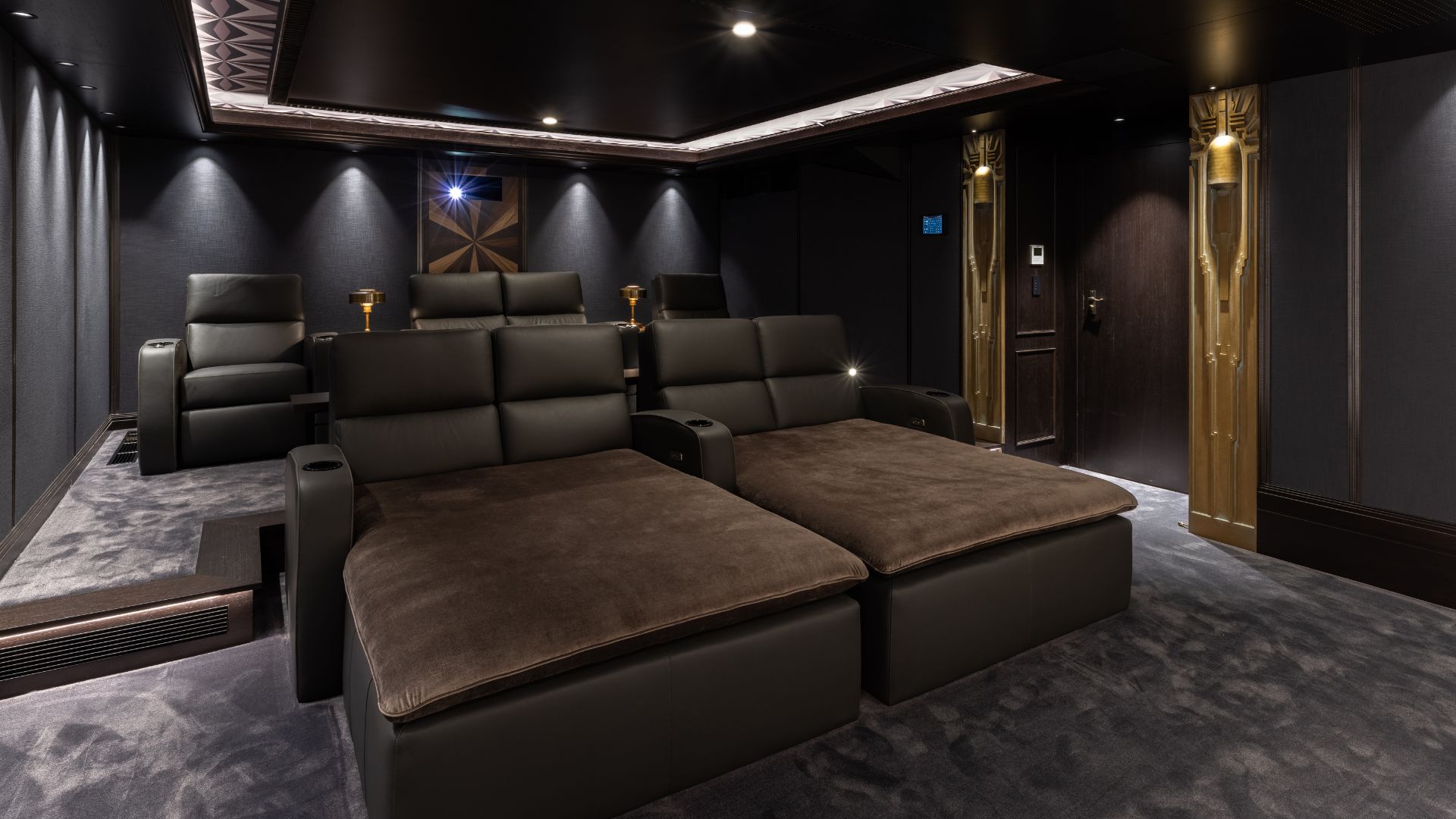
Dedicated home theatre seating usually favours consistent posture and clear sightlines across every seat. Media room seating usually favours flexibility, conversation, and easy movement through the entertainment space.
In a dedicated home cinema, theatre recliners often win because they hold each viewer in a similar position and make spacing predictable. A cinema lounge can still work, but it needs careful planning, so the lounge depth does not push viewers too close or too far from the screen & surround speakers. Explore our boutique cinema designs for examples of dedicated spaces.
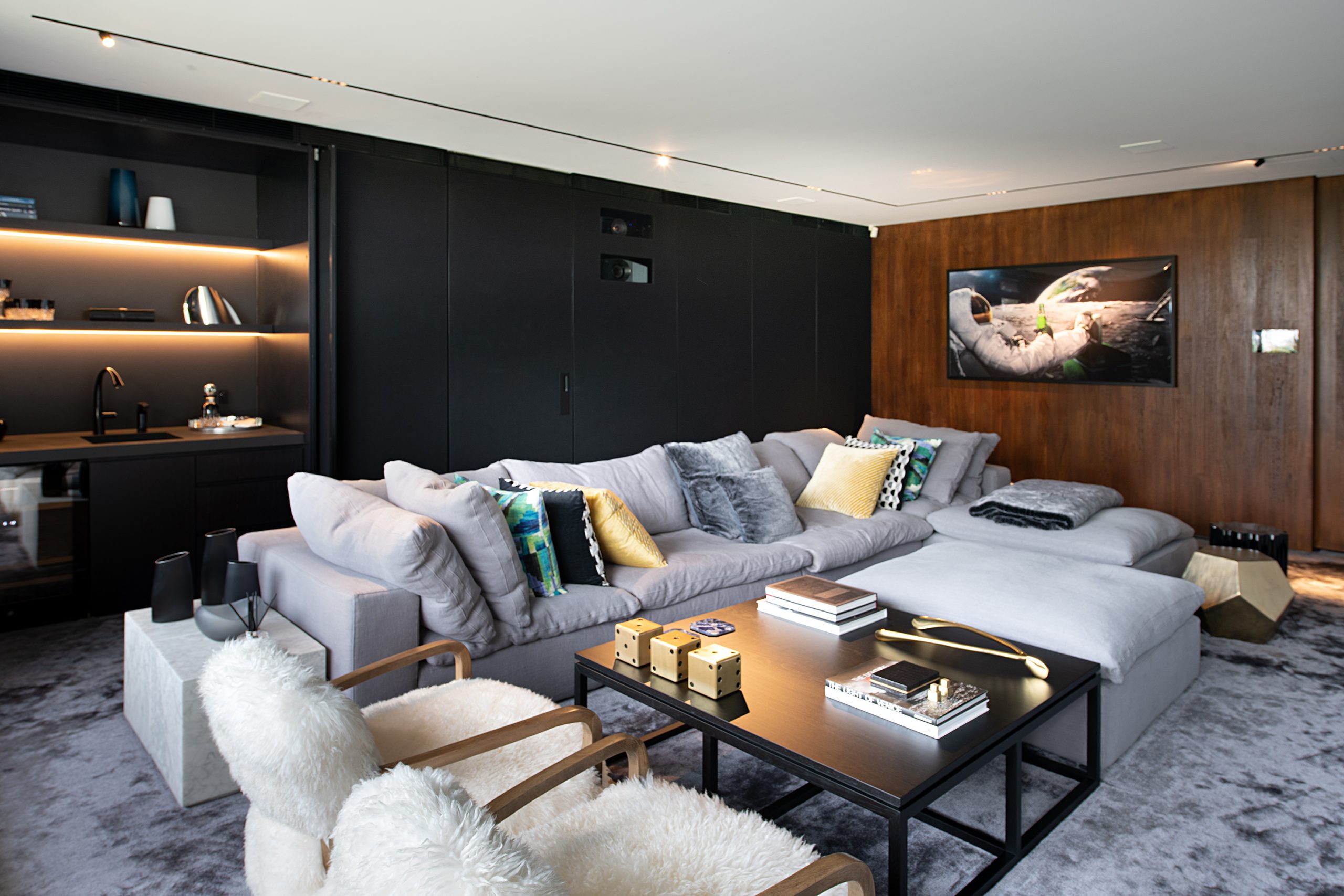
In a media room, modular configurations and modular sofas can be the better direction because the room has more than one job. You might watch a film, then turn the space into a social lounge, so the configuration needs to suit that flow. Our media rooms portfolio showcases these versatile setups.
Seating layout and configuration that protects sightlines
Seating layout is the fastest way to improve or ruin cinema seating. A good layout keeps the screen visible from every seat and preserves comfortable walkways.
Before you choose a configuration, capture: room dimensions, door locations and swing direction, screen wall position, intended seat count, and whether you can add a riser for a second row.
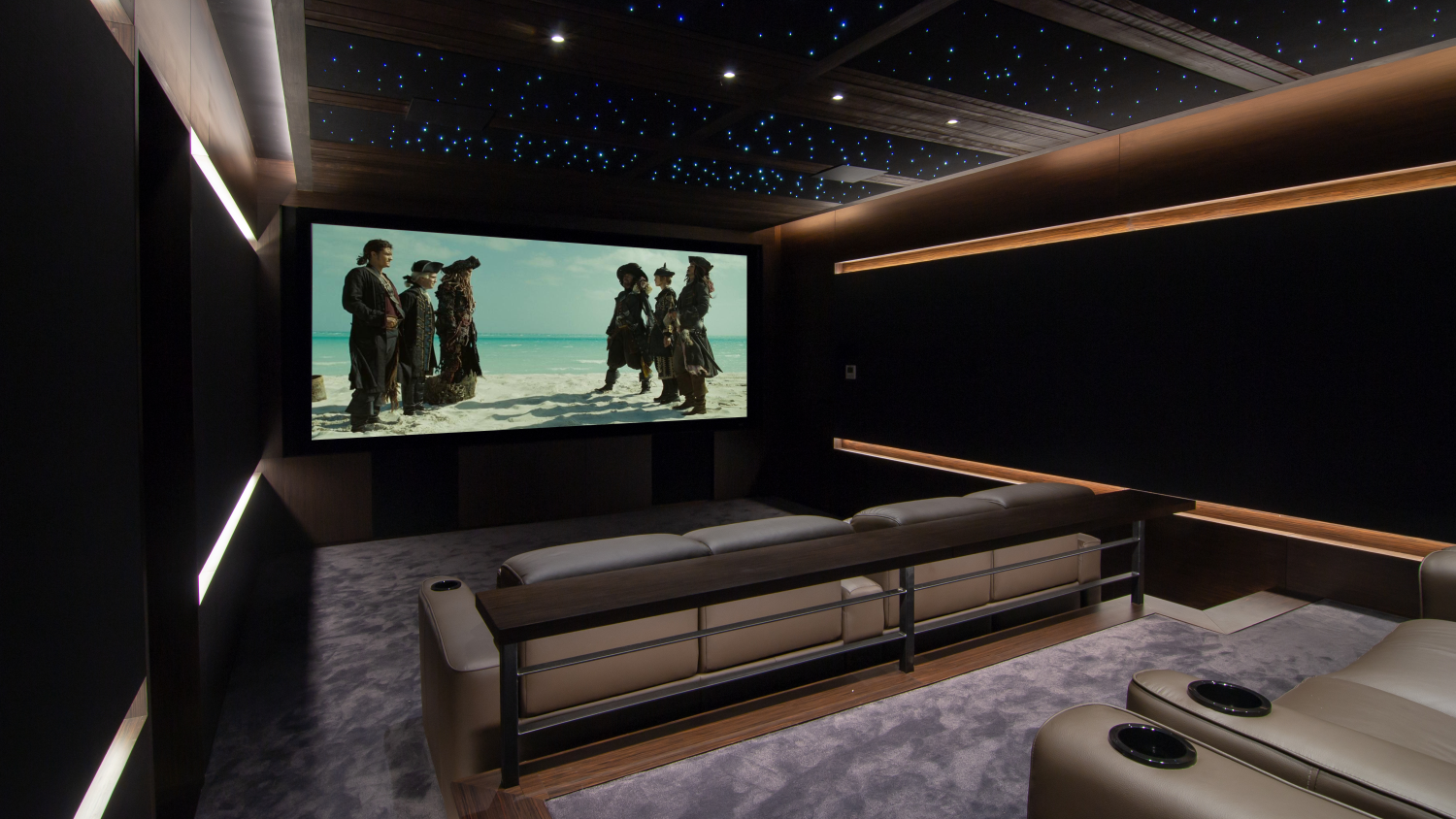
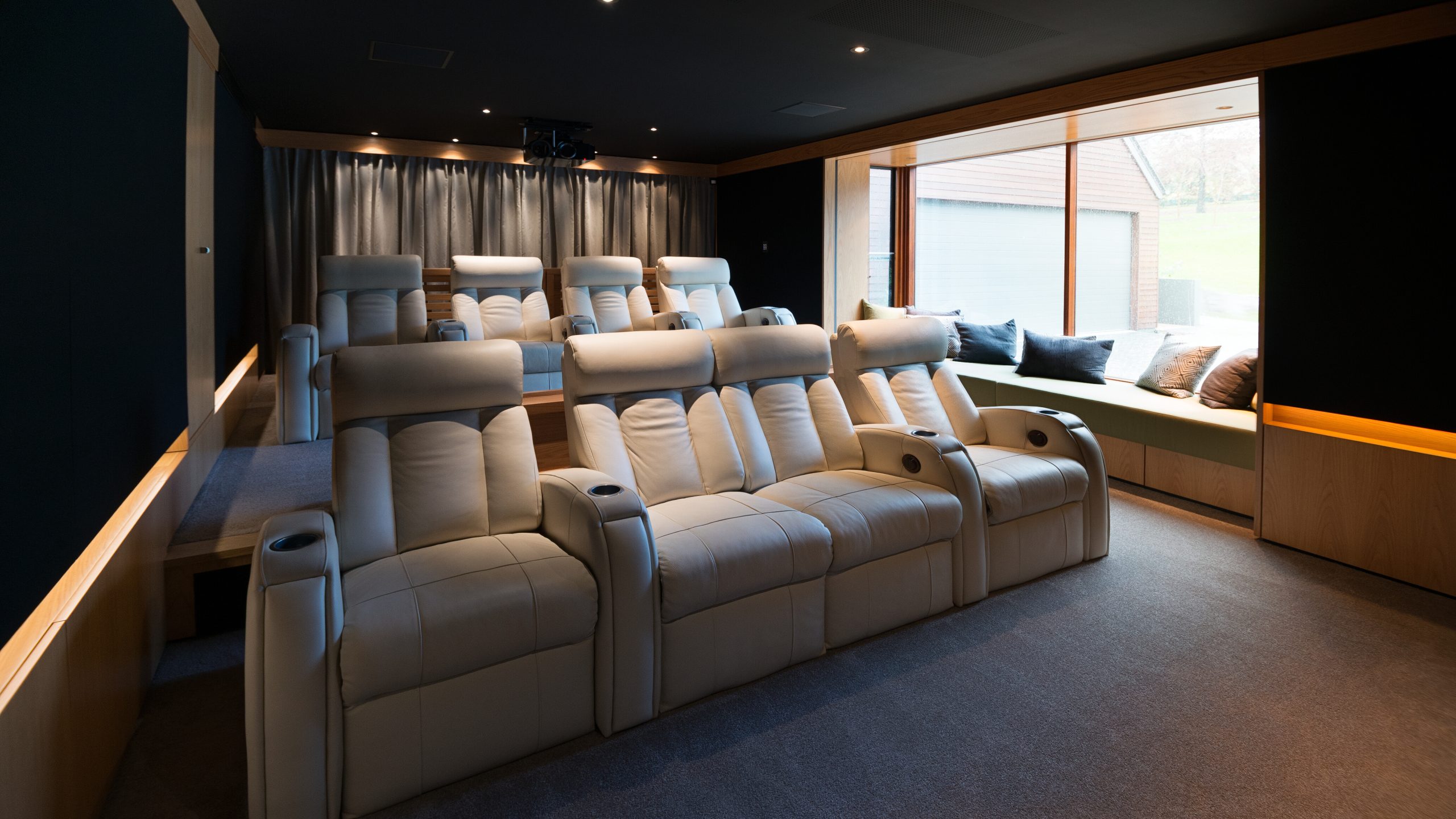
Start by choosing a single row or multiple rows. A single row is often the simplest path to maximum comfort, especially if you want generous recline and cup holders without crowding. Multiple rows can be excellent, but they usually need a riser and careful choice of back height for the best home theatre experience, so the front row does not block the rear row. The minimum recommended room depth for two rows is 7.5m, anything less would require meticulous planning to ensure compromises to the cinematic experience are minimised. For complex layouts, consider our cinema builder tool or a consultation.
Use these common layout directions as a decision aid, then refine with measurements and photos.
- Chairs vs lounge. Choose chairs if you want consistent posture, clearer sightlines, and a classic cinema experience. Choose a lounge if the room is shared and you want relaxed seating positions.
- Single row vs multiple rows. Choose single row when walkways are tight or recline depth is a priority. Choose multiple rows when you entertain often and can support a riser and clear viewing lines.
- Modular vs fixed. Choose modular configurations in a media room for flexibility. Choose fixed theatre recliners in a theatre room when you want repeatable viewing positions and a tidy finish.
Comfort and performance checklist before you buy
The best home theatre seating feels effortless over long sessions and stays visually calm in the room. This checklist helps you screen seating options before you commit to a configuration.
- Headrest and neck support feel natural at your typical viewing angle
- Adjustable headrests do not push your head forward when reclined
- Lumbar support matches your back without needing extra cushions
- Wide seat sizing suits your household and regular guests
- Low-back profile is considered if there will be seats behind
- Recline action is smooth and does not jolt the viewer behind
- Motorise requirements are realistic for your power access
- Motorised recliners do not create obvious noise in a quiet scene
- Top-grain or top grain leather sheen will not distract under ambient lighting
- Durability matches how often the room will be used
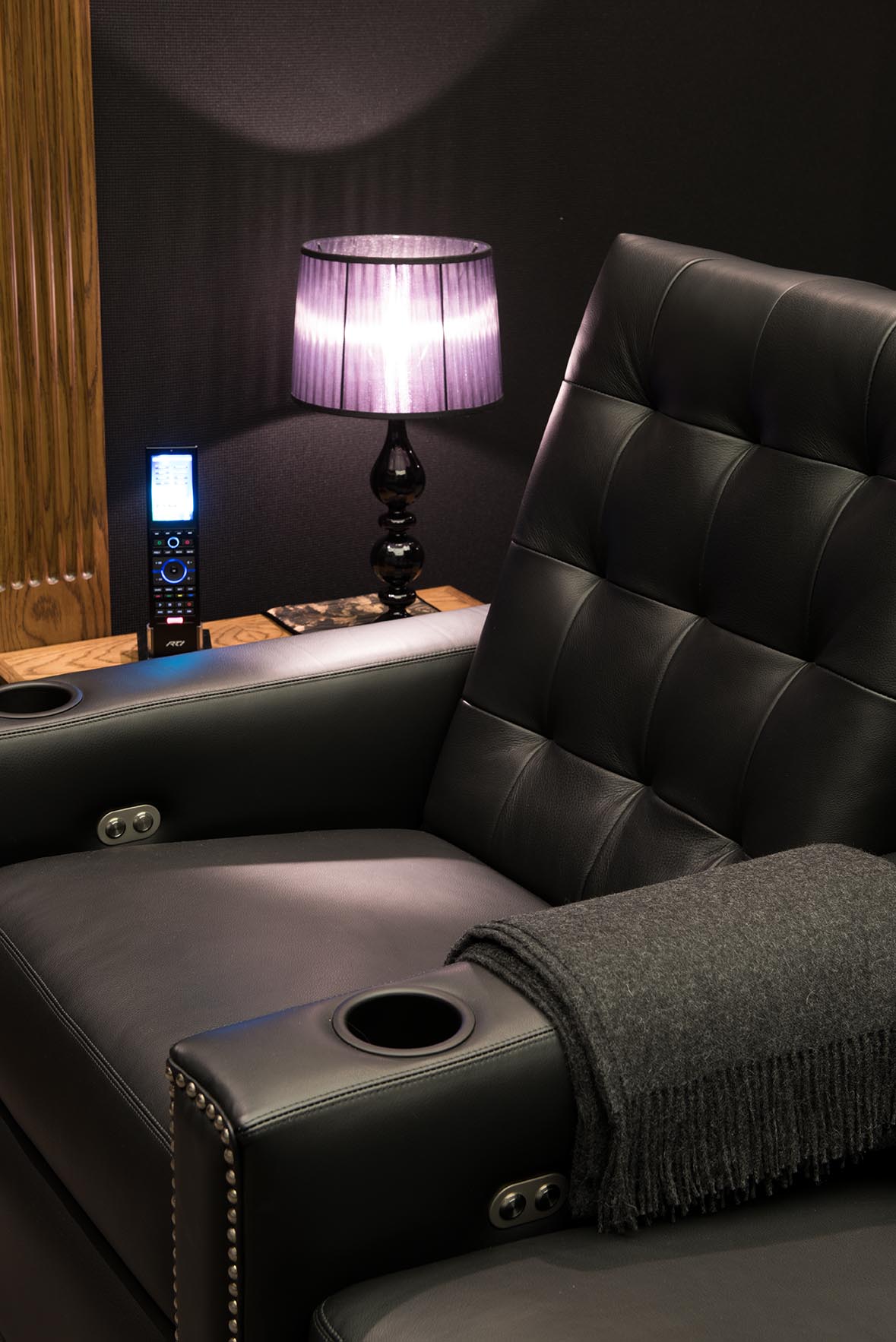
- Cup holders fit your habits without forcing awkward arm width
- Configuration leaves walkways clear and doors usable
Common cinema seating mistakes and how to fix them
Most seating regrets come from layout decisions, not from a single feature choice. Use these failure modes to spot problems early and know when to get expert help.
- Poor sightlines in the second row. This happens when front row seat backs are too tall or the riser is not planned. Fix it by considering a low-back profile in the front row, planning the riser early, and checking recline positions, not just upright seating.
- Awkward spacing and crowded walkways. This shows up when the seater count is pushed too high for the room. Fix it by reducing seat count, selecting a narrower arm design, or moving to a modular sofa that fits the traffic path.
- Noisy or impractical mechanisms. This happens when motorised features are chosen without thinking about power access and real use. Fix it by planning power early, testing the recline feel, and keeping controls simple so the seating experience stays calm. This is part of broader home cinema technology integration.
- Wrong material for ambient light. Glossy finishes can catch light and pull attention off the screen. Fix it by choosing leather options and colours that suit the room lighting, or consider suede or fabric and leather blends when reflections are an issue.
Stop and get expert help if you are planning multiple rows, if the room has tight access, or if you want motorised headrests and motorised lumbar support but are unsure about power and pathways. Bring room dimensions, screen size, intended seat count, and photos so we can give practical guidance quickly. You can contact us to arrange this.
What this guide does not cover and why
This guide does not recommend specific seating models, pricing, discounts, delivery timelines, or warranty terms because those details vary by product. We also do not provide exact viewing distances or riser heights because they depend on your room, screen, and layout.
We also do not cover brand comparisons for technologies like D-BOX, or provide claims about acoustic modelling outcomes, because those decisions sit inside broader home cinema design. If you want that level of integration, the next step is a consultation.

What happens next with Wavetrain Cinemas
We design complete, bespoke home cinemas and media rooms where seating is engineered as part of the overall system, not treated as a standalone choice. Room proportions, screen geometry, acoustics, lighting, and sightlines are all resolved together to deliver a cohesive cinematic experience. For an overview of our approach, read about installing a bespoke home theatre.
Seating layout and customisation are developed in direct response to the room itself. We translate room dimensions, screen size, and technical planning into precise recommendations for row spacing, riser heights, and walkway clearances. Seating styles and finishes are then selected to minimise view obstruction, noise, and light reflection, while ensuring long-term comfort.
To begin the process, we recommend booking an appointment with our team. Coming prepared with your room dimensions, the rooms intended use, preferred screen size, seating configuration, and any material preferences — such as top-grain leather or fabric — allows us to guide you efficiently toward the right solution and avoid costly compromises later.
By addressing seating as part of a fully engineered cinema room, rather than an isolated purchase, you move beyond aesthetics alone. The result is a cinema that looks exceptional, performs flawlessly, and remains comfortable and practical long after installation.
FAQs
If you want luxury home cinema seating that supports comfort and performance, book a consultation, call our team on +61 2 9526 5497, or get a call back. We are available Monday to Friday 9:30am to 4pm.