What is a subwoofer and how does it work?
[/vc_column_text][vc_empty_space hide_on_mobile=””][vc_column_text]Understanding the role of a subwoofer in an audio system
A subwoofer is a type of speaker that is specifically designed to reproduce low-frequency sounds, typically between 20 Hz and 200 Hz. While regular speakers are capable of producing some low-frequency sounds, they often struggle to reproduce the deep, thumping bass that a subwoofer can achieve. This is where the subwoofer comes in.
Exploring the science behind subwoofers and low frequencies
Subwoofers work by using a large driver and a powerful amplifier to reproduce low-frequency sounds with precision and accuracy. The driver, typically housed in a specially designed enclosure, moves back and forth rapidly to generate sound waves at specific frequencies. This allows the subwoofer to produce deep, booming bass sounds that add depth and impact to your audio system. Due to the size of the sound waves being produced, the drivers are moving (excursion) significantly further than for other sounds and therefore require significantly more power and amplifier current.
How a subwoofer produces bass sound
The key to a subwoofer’s ability to produce bass sound lies in its design and construction. The large driver and tuned enclosure work together to control the movement of air, creating those powerful low-frequency waves that you can feel as well as hear. By reproducing these frequencies accurately, a subwoofer can add a new dimension to your audio experience.
[/vc_column_text][vc_empty_space hide_on_mobile=””][vc_empty_space hide_on_mobile=””][vc_single_image image=”5756″ img_size=”full”][/vc_column][/vc_row][vc_row][vc_column][vc_empty_space alter_height=”medium” hide_on_mobile=””][vc_column_text]Why are subwoofers important in a home theater system?
[/vc_column_text][vc_empty_space hide_on_mobile=””][vc_column_text]Enhancing the movie watching experience with a subwoofer
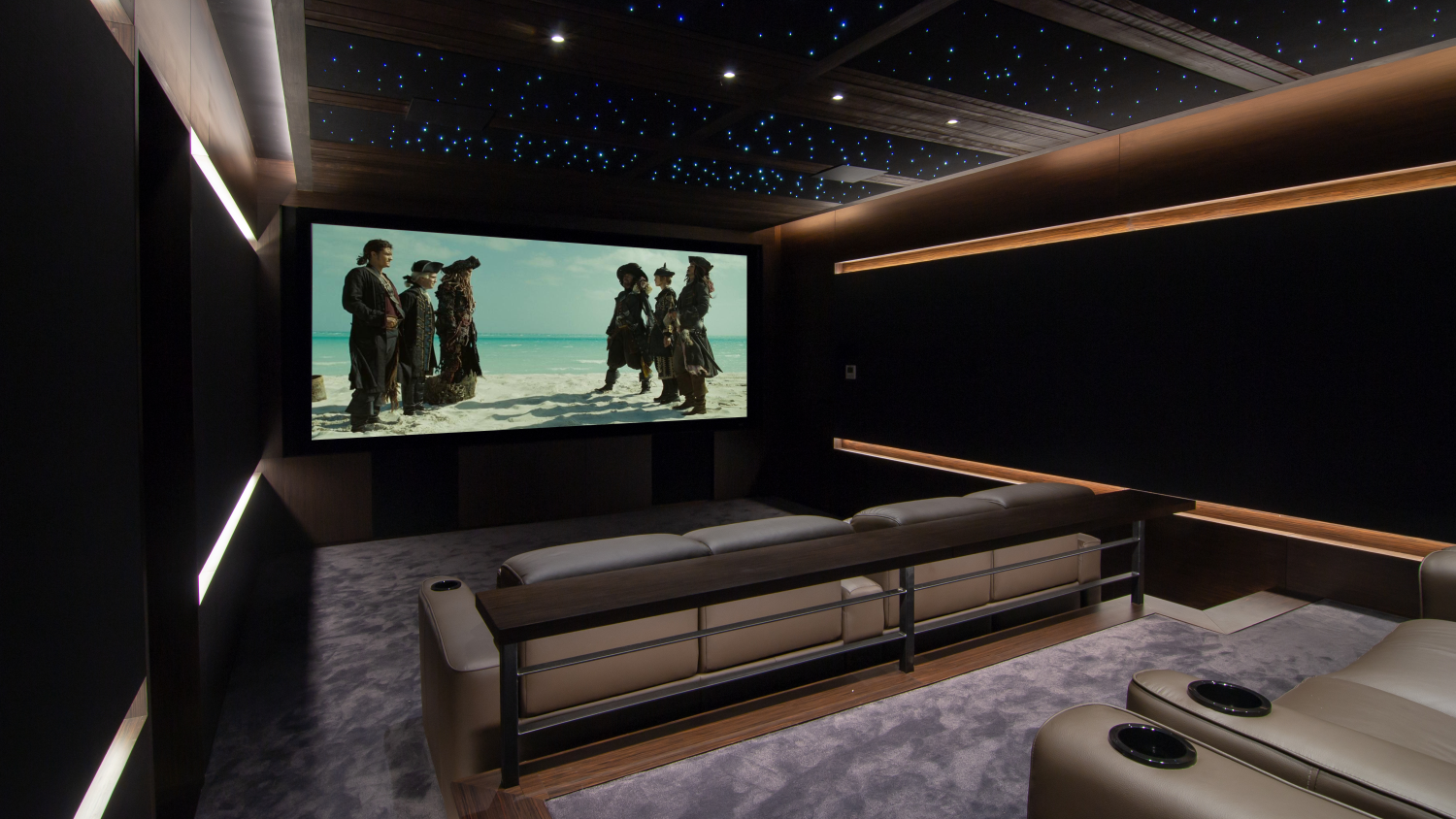
If you have ever watched a movie in a theater, you may have noticed the deep rumble of sound that accompanies explosive action scenes or intense musical scores. This immersive audio experience is achieved through the use of subwoofers. By adding a subwoofer to your home theater system, you can recreate this cinematic sound and bring the movie theater experience right into your living room. What is often overlooked is the need for multiple subwoofers in order to balance out the affect for standing waves, which can create significant changes in the seating positions.
The difference between regular speakers and a subwoofer in a home theater system
While regular speakers are important for reproducing mid-range and high-frequency sounds, they struggle to reproduce the low-frequency sounds that are crucial for creating an immersive audio experience. This is because the drivers are too small to reproduce the large wave lengths required for deep bass, with sound waves up to 17m long. A subwoofer fills this gap by reproducing the deep, rumbling bass that regular speakers can’t handle. This makes a subwoofer an essential component of any home theater system, especially for the LFE (Low Frequency Effect) channel used in Dolby surround sound recordings.
The benefits of adding a subwoofer to your sound system
In addition to enhancing your movie-watching experience, a subwoofer can also improve the overall sound quality of your audio system. By reproducing low-frequency sounds accurately, a subwoofer adds depth and richness to your music. Accurate bass, when paired correctly with speakers, will actually add depth and warm to voices. Audio is never about just producing a frequency in the room, but also balancing the sound to create a seamless sound field. Whether you are listening to classical, rock, or electronic music, a subwoofer can breathe new life into your favorite songs.[/vc_column_text][vc_empty_space hide_on_mobile=””][vc_single_image image=”5758″ img_size=”full”][/vc_column][/vc_row][vc_row][vc_column][vc_empty_space alter_height=”medium” hide_on_mobile=””][vc_column_text]
How to choose the best subwoofer for your audio setup?
[/vc_column_text][vc_empty_space hide_on_mobile=””][vc_column_text]Factors to consider when selecting a subwoofer
When choosing a subwoofer, there are several factors to consider. First, you need to determine the size of the room where the subwoofer will be placed. Larger rooms may require more powerful subwoofers to fill the space with bass sound and all rooms will benefit from have at minimum a second subwoofer to even out the bass response throughout the room. Second, you need to consider your personal preferences and the type of music or movies you will be listening to. Different subwoofers have different sound characteristics, so it’s important to choose one that suits your taste. Concerts and movie cinemas typically used ported subwoofers because of the their speed and high output, but a sealed sub can provide a tighter bass with no port noise effects in the small room.
Determining the right subwoofer cabinet design for your needs
Subwoofers come in various cabinet designs, including sealed, ported, and bandpass enclosures. Each design has its own advantages and disadvantages, so it’s important to understand how they work and choose the one that best suits your audio setup. Sealed enclosures, for example, offer precise and accurate bass reproduction, while ported enclosures provide more overall output and can produce deeper bass. It’s important that you work with a company like Wavetrain Cinemas who are exerts in this field, with David Moseley having lectured in acoustics for 20 years.
Maximizing subwoofer performance through proper placement
The placement of your subwoofer can greatly impact its performance. Ideally, the subwoofer should be placed in a corner or against a wall to take advantage of the room’s natural acoustics, but not in corners as this will exaggerate the rooms standing waves. Placement is critical and varies from room to room, based on the size, proportions and seating positions. However, experimenting with different placement options can help you find the best position for your subwoofer to achieve optimal performance.
Can you use a subwoofer with a stereo system?
[/vc_column_text][vc_empty_space hide_on_mobile=””][vc_column_text]Integrating a subwoofer into a stereo setup
Yes, you can use a subwoofer with a stereo system. In fact, adding a subwoofer to a stereo setup can greatly enhance the audio experience. The subwoofer can handle the low-frequency sounds that the stereo speakers can’t reproduce, resulting in a more balanced and immersive sound. To integrate a subwoofer into a stereo system, you will need to connect it to the amplifier or receiver using the dedicated subwoofer output or a line-level connection.
Exploring the benefits of using a subwoofer with a stereo system
Using a subwoofer with a stereo system can bring out the full potential of your audio setup. The added bass provides a sense of depth and realism to the music, making it feel more vibrant and engaging. Whether you are listening to classical music, jazz, or electronic beats, a subwoofer can make a significant difference in the overall audio quality.
Choosing the right subwoofer for a stereo audio experience
When choosing a subwoofer for a stereo system, you need to consider the size of your room and the power requirements of your speakers. A great subwoofer should be able to blend seamlessly with your existing stereo speakers, providing a smooth transition between the audio frequencies. Additionally, the subwoofer should complement your personal preferences and musical taste, ensuring that it delivers the desired impact on your favorite songs.
[/vc_column_text][vc_empty_space alter_height=”medium” hide_on_mobile=””][vc_single_image image=”5762″ img_size=”full”][/vc_column][/vc_row][vc_row][vc_column][vc_empty_space alter_height=”medium” hide_on_mobile=””][vc_column_text]Why do some audio setups use multiple subwoofers?
[/vc_column_text][vc_empty_space hide_on_mobile=””][vc_column_text]Understanding the advantages of using two subwoofers
While a single subwoofer is sufficient for most audio systems, some setups benefit from using multiple subwoofers. By using two subwoofers, you can achieve better bass distribution throughout the room, ensuring that every seat gets the same immersive experience. Additionally, two subwoofers can help minimize room resonances and cancel out standing waves, resulting in a cleaner and tighter bass response.
Exploring the impact of multiple subwoofers on audio performance
Multiple subwoofers can significantly improve the audio performance of your system. By spreading the bass energy across multiple sources, you can achieve a more even bass response throughout the room. This means that you won’t experience “dead spots” or areas where the bass sounds weak or muddy. The result is a more consistent and immersive audio experience, no matter where you are seated in the room.
Properly setting up and calibrating multiple subwoofers
Setting up and calibrating multiple subwoofers requires careful consideration. The subwoofers should be placed strategically to achieve the best possible bass distribution. Additionally, you will need to adjust the volume levels and phase settings of each subwoofer to ensure they are working together harmoniously. This process may require a bit of experimentation and fine-tuning, but the end result is well worth the effort.
[/vc_column_text][vc_empty_space alter_height=”medium” hide_on_mobile=””][vc_single_image image=”5533″ img_size=”full”][/vc_column][/vc_row][vc_row][vc_column][vc_empty_space alter_height=”medium” hide_on_mobile=””][vc_column_text]