
Home cinema installation Melbourne, delivered as complete cinema design
For Wavetrain Cinemas, installation is never a standalone trade. It is the final stage of a complete design process, the point where acoustic engineering, architectural integration, interior detailing, ventilation, sound isolation, seating, video performance and calibration arrive in the room together, and the lights are finally allowed to dim on something whole.
For Melbourne homeowners, that distinction matters.
A cinema in a Toorak residence may need to disappear into a refined architectural interior, felt rather than seen. A Brighton or Bayside home may call for careful thinking around moisture, glazing, room orientation and noise control, so the room stays as composed in February as it does in July. An inner-city terrace or apartment may demand a more disciplined approach to sound isolation, access and strata expectations, without ever feeling like a compromise once the door closes. A Mornington Peninsula residence may call for a dedicated cinema that feels calm, immersive and fully resolved within a larger home, a quiet room within a generous one.
Wavetrain designs and installs bespoke private cinemas and media rooms across Melbourne and Victoria, supported by our Victorian presence in St Kilda East and our wider in-house team. The result is a cinema built around the room, the home and the way you want to experience film.

A different standard for home cinema installation in Melbourne
Many home theatre companies begin with equipment. Wavetrain begins with the room.
Every private cinema is shaped by the space around it: wall construction, ceiling height, room proportions, door locations, glazing, adjoining bedrooms, air conditioning paths, seating geometry and the expectations of the people who will use it. None of this is incidental. It is what allows the room, eventually, to be forgotten entirely.
This is why our process brings the critical disciplines together early:
The goal is never to fill a room with technology. It is to create a controlled cinematic environment where the room supports the experience rather than working against it, so that what remains, once everything is finished, is simply the film.
Designed for Melbourne homes,
not copied from a template
Melbourne’s residential architecture is varied, and each home places different demands on a cinema.
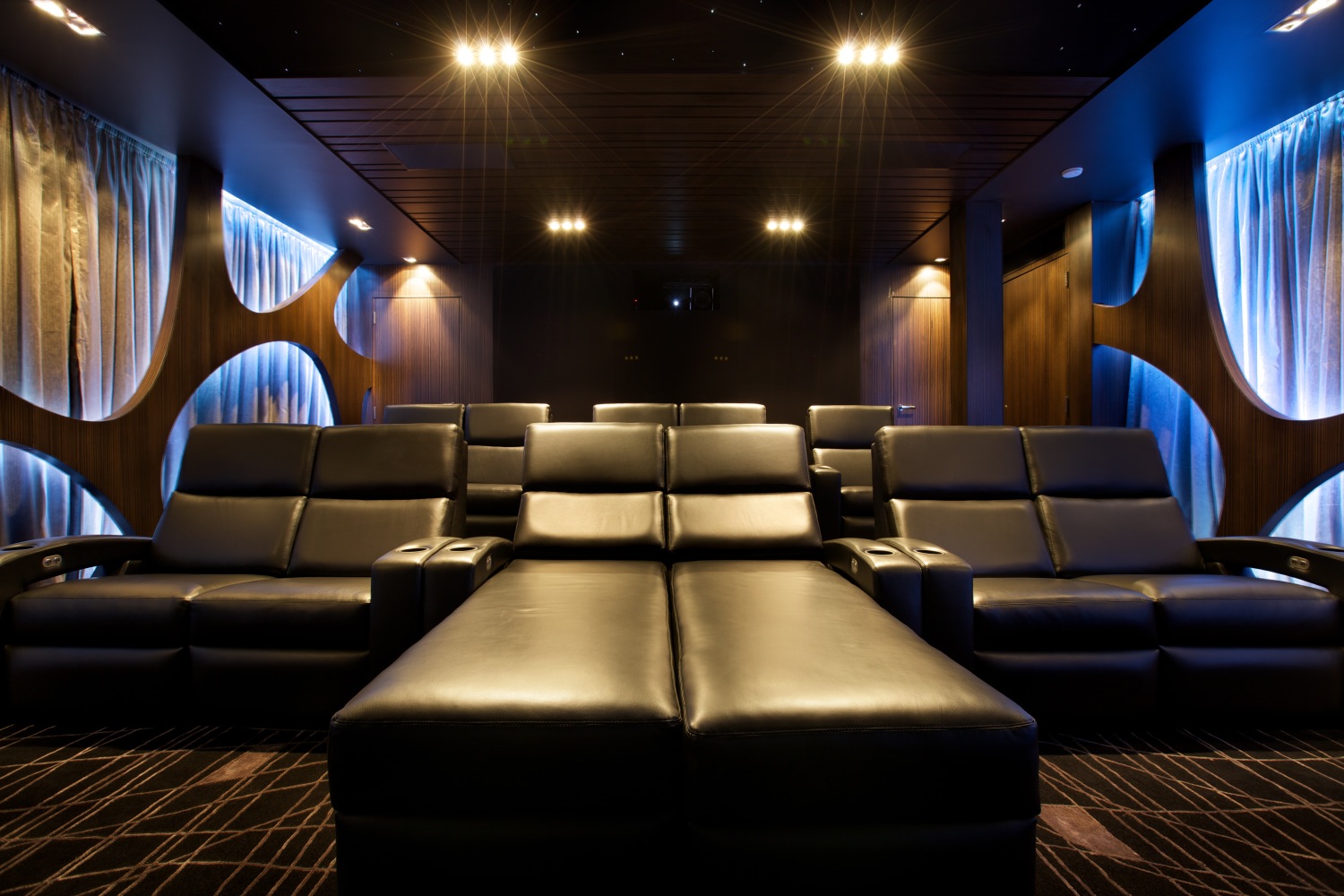
In heritage renovations, the work lies in introducing isolation, cabling, acoustic treatment and ventilation without compromising the character of the property, so a Victorian terrace can hold a modern cinema without ever surrendering its bones. In contemporary architectural homes, the cinema needs to sit cleanly within a broader design language, with equipment concealed and finishes carefully aligned, another considered room rather than an addition. In dense inner suburbs, sound control can matter as much as image and audio performance, particularly where bedrooms, neighbours or shared walls are close by, so the experience inside the room never becomes someone else’s disturbance outside it.
Larger homes in areas such as Toorak, Kew, Brighton and Camberwell often allow for dedicated cinema rooms with controlled lighting, engineered acoustics and tiered seating, rooms built specifically to disappear into story. Bayside and Mornington Peninsula homes may call for larger entertainment zones or multi-use retreats, where performance is balanced against lifestyle and design, equally at home hosting a film night or a quiet evening alone.
Wavetrain does not treat these as cosmetic differences. The construction, acoustic and mechanical decisions shift from property to property, and that is where the quality of a Melbourne home cinema installation is decided, long before the first frame ever plays.


Installation as part of a complete cinema design process
A refined cinema is never just the sum of its equipment.
The projector, screen, speakers and processor matter, but they only perform properly once the room has been designed to support them. Speaker positions depend on seating geometry. Seating depends on sightlines and room depth. Bass performance depends on room dimensions, subwoofer placement and acoustic treatment, the difference between bass you hear and bass you feel. Ventilation needs to keep the room comfortable without introducing noise, an unbroken quiet beneath the quietest scene. Lighting needs to support atmosphere and practical use in equal measure.
Wavetrain brings these decisions together before installation begins, documenting the room, coordinating with builders or architects, defining construction requirements, resolving cabling pathways, specifying acoustic treatment, planning equipment locations and ensuring the finished room can be calibrated properly.
This approach reduces compromise on site, and gives every trade a clearer understanding of the result we are working towards, a room that feels inevitable rather than assembled.
Dedicated Cinemas and Media Rooms
A dedicated home cinema offers the greatest control over performance, and the greatest reward.

Dedicated Home Cinemas
In these rooms, the environment can be designed around immersion from the outset: controlled light, carefully placed speakers, engineered acoustic treatment, considered sound isolation, seating positions, screen size, projector throw and HVAC performance, every variable working toward the same quiet purpose. This is the room where the outside world is genuinely allowed to fall away.
For Melbourne homes with the available space, a dedicated cinema can take shape in a basement, lower ground level, spare room, new extension or purpose-built wing. Each option carries its own constraints. Basements often call for close attention to ventilation, moisture and access. Upper-level rooms may need more careful isolation. New builds allow the cinema to be resolved with the architect before construction begins, written into the home rather than fitted into it afterward.
Wavetrain’s role is to make sure those decisions are made before they become expensive limitations.

Media rooms and integrated living spaces
Not every Melbourne home needs a dedicated cinema. Many clients want a media room that supports everyday living while still delivering a genuinely cinematic experience, somewhere a Tuesday night film feels as considered as a Saturday premiere.
These spaces call for a different kind of discipline. The room may include windows, open connections to other living areas, architectural lighting, concealed speakers, custom joinery or a design brief that limits visible technology. Acoustic treatment may need to live within fabric panels, cabinetry or interior finishes rather than present as obvious hardware, so the room still belongs to the home, not to the equipment inside it.
A well-designed media room will never perform like a sealed dedicated cinema, but it can still feel balanced, natural and deeply engaging when the design is honest about the room’s constraints.
Wavetrain designs these rooms so the technology serves the space, never the other way around.
Sound isolation, acoustics and neighbour comfort
Melbourne’s denser suburbs make sound isolation a serious design consideration.
A cinema can generate significant low-frequency energy, and without planning, bass will travel through walls, floors, ceilings and structural connections. This matters in terraces, apartments, townhouses and homes where the cinema sits near bedrooms or neighbouring properties, where the line between an immersive evening and an awkward one can be a matter of a few decibels.
Sound isolation and acoustic treatment are not the same thing. Isolation governs how sound leaves or enters the room. Treatment governs how sound behaves inside it. Both shape the final experience, but they solve different problems.
Wavetrain considers isolation, treatment and calibration together. Wall and ceiling construction, door systems, mechanical penetrations, speaker placement and subwoofer strategy all influence how controlled the room will feel once it is operating at real cinema levels, free to be loud without ever being intrusive.

HVAC and mechanical noise management
Cinema rooms are often enclosed for acoustic and light control, which makes ventilation essential rather than incidental.
Air conditioning in a cinema cannot be an afterthought. A system that runs noisy will distract from quiet scenes, pulling attention away from exactly the moments meant to hold it. A room that is poorly ventilated becomes uncomfortable over a longer film. Duct paths, grille placement, air velocity and equipment heat all need resolving before construction is complete.
Wavetrain’s experience with mechanical design allows us to coordinate cinema performance with comfort, so the room stays quiet, controlled and comfortable without visible compromise, and without ever announcing the engineering behind it.
Calibration and final tuning
The installation is not complete when the equipment turns on.
Final calibration is where the room is brought into alignment. Audio calibration balances levels, timing, bass management and room response across the listening positions. Video calibration refines image accuracy so the projector, screen and source chain perform as intended.
David Moseley is ISF and PVA certified, and Wavetrain’s broader design approach is grounded in the same performance-led thinking that has contributed to the company’s national and international recognition, including CEDIA award-winning home cinema work.
For the client, calibration is where the cinema becomes effortless. Dialogue sits naturally. Bass carries weight without overwhelming the room. Images feel cinematic rather than exaggerated. The technology recedes, and the film takes over, exactly as it should.

Working with architects, builders and interior designers
The best cinema outcomes happen when Wavetrain is involved early.
We regularly work alongside architects, builders, interior designers and project teams to integrate cinema requirements into the broader construction process, including room planning, riser design, wall and ceiling details, door strategy, acoustic treatment integration, HVAC coordination, equipment ventilation, lighting control and documentation for trades.
Early coordination avoids the issues that surface when a cinema is considered late: unsuitable room proportions, insufficient cable pathways, noisy air conditioning, compromised speaker placement, weak sound isolation or screen sizes that do not suit the seating layout, all the small compromises that quietly add up to a room that performs but never quite moves anyone.
For new Melbourne builds and major renovations, early design involvement is the difference between fitting equipment into a room and creating a room designed for cinema.
Wavetrain’s Melbourne home cinema installation process
A genuinely immersive cinema is not an equipment decision. It is an engineering outcome. The finest hardware will underperform in a room that has not been properly designed, so every Sydney installation rests on three disciplines working together from the outset.

We begin by understanding the home, the intended use of the room, the design expectations and any construction constraints. For existing properties, this may include reviewing room dimensions, structure, access, adjoining spaces and likely acoustic challenges.
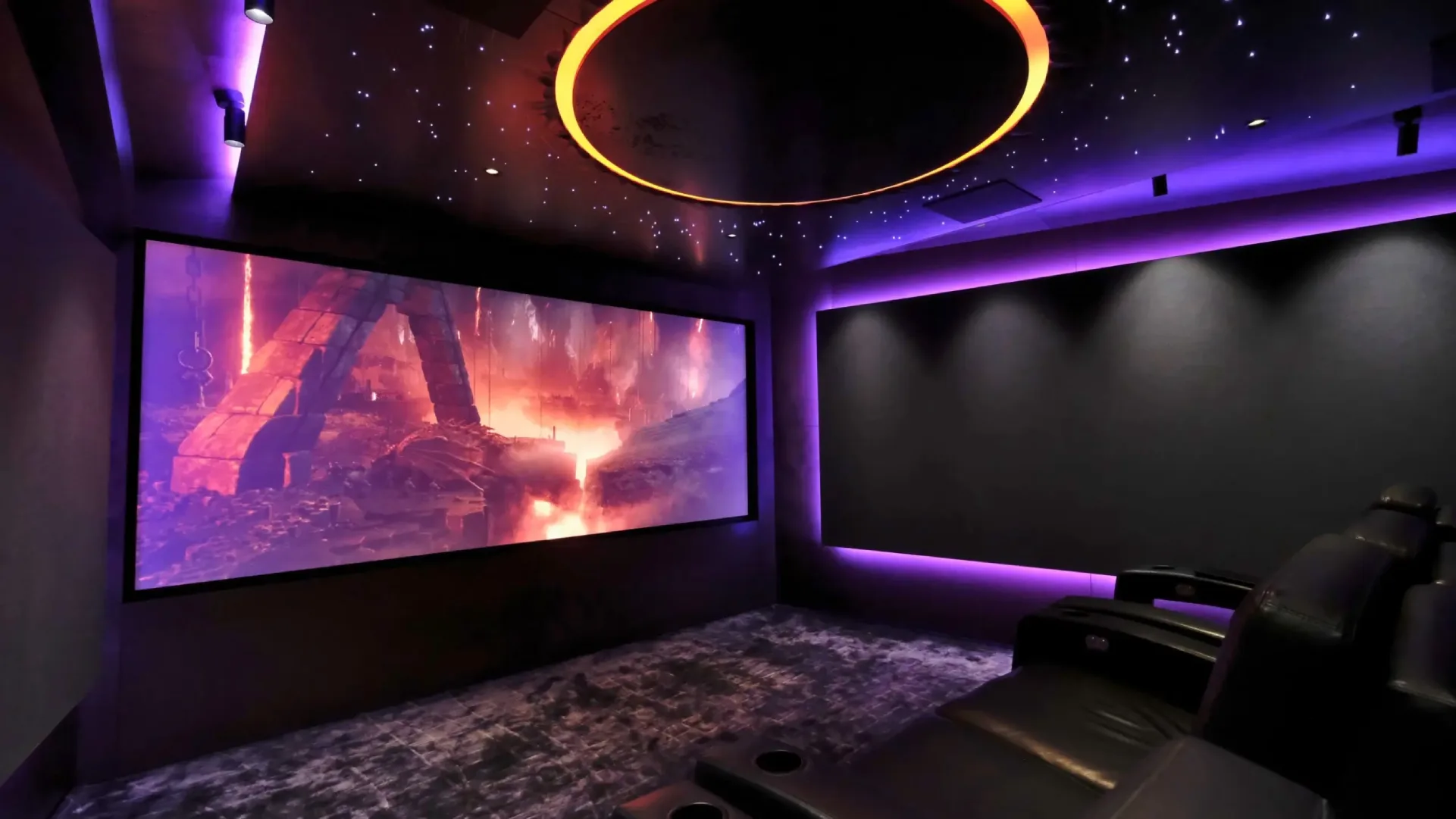
The cinema is designed as a complete environment. Seating, screen size, projector placement, speaker layout, acoustic treatment, sound isolation, lighting, HVAC, equipment locations and interior finishes are considered as connected decisions, never in isolation.
Where required, Wavetrain provides drawings and technical documentation so builders, architects and interior designers can integrate the cinema properly into the project.

Once installed, the room is calibrated and tested. We tune the system, explain its operation clearly and ensure the cinema performs as intended before handover, the moment the room finally becomes yours.
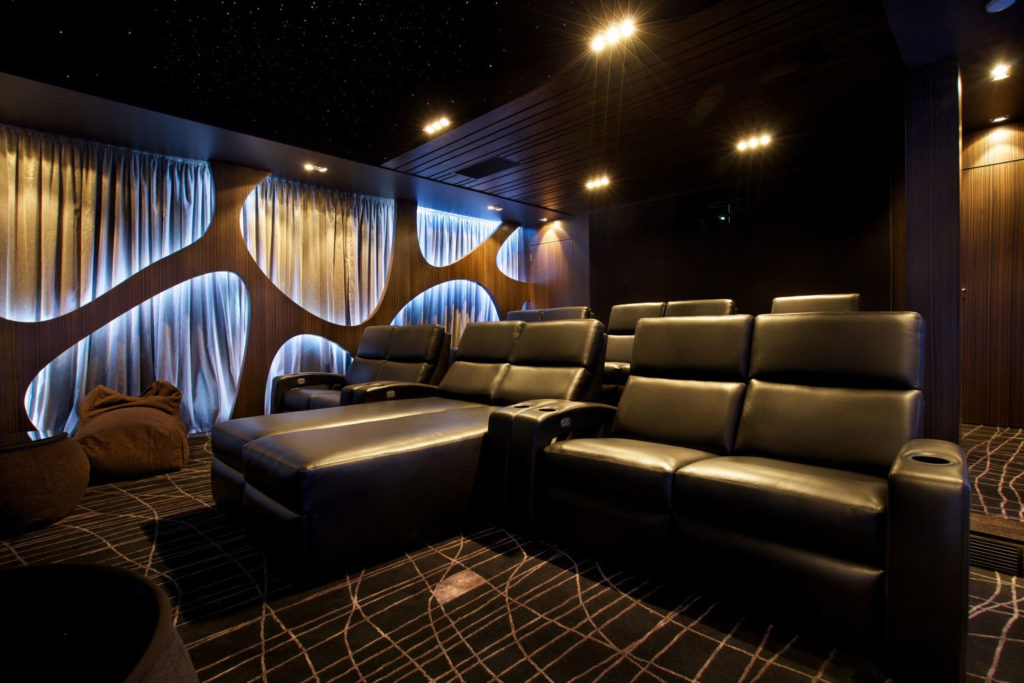
Lighting, climate control, motorised masking, source selection and processing are brought into a single, considered interface. The room feels effortless to use precisely because the system behind it is not.

Where we work in Melbourne and Victoria
Where we work in Melbourne and Victoria
Wavetrain designs and installs home cinemas and media rooms across Melbourne and surrounding areas, including:
Every project is assessed on its own merits. The location may shape the constraints, but the design is always specific to the home.
Frequently Asked Questions
Begin your Melbourne home cinema project
A private cinema should feel considered from the first drawing to the final calibration.
For Melbourne homeowners planning a dedicated cinema, media room or architecturally integrated entertainment space, Wavetrain Cinemas brings the technical depth and design discipline required to deliver the room properly, so that what you remember, in the end, is the film.
Speak with our team to discuss a Melbourne home cinema installation designed around your home, your architecture and the way you want to experience film.